
The new year of 2026 has brought many new beginnings, yet it has also carried over the record-high influenza season for the United States. Symptoms of high fevers, sore throats, fatigue, and coughs have swept through nearly every state. A new strain of influenza, called subclade K, continues to show unnerving high levels of activity as well.
Influenza, also known as the flu, is a serious viral infection of the nose, throat, and lungs, all of which are parts of the respiratory system. The symptoms caused by the influenza virus often improve without hospital treatment, however, complications or severe cases can become deadly. With today’s modern medicine, an annual flu shot is highly recommended. According to the CDC, everyone 6 months and older in the United States should receive the vaccine every season. Although not guaranteed to be one hundred percent effective, the vaccine lowers the chances of having severe complications, especially important for those of high risk.
Flu vaccines allow antibodies to develop in the body about two weeks after the vaccine. Antibodies are small proteins made by the immune system to both identify and provide protection against foreign invaders, like the virus that causes the flu. All flu vaccines in the United States are “trivalent” vaccines, which create protection against the three most common influenza viruses: influenza A(H1N1) virus, influenza A(H3N2) virus, and influenza B/Victoria virus. A flu vaccine is needed each year due to the constant changing strains and a person’s immune protection from vaccinations depleting over time.
This flu season is one not seen since the 1997 to 1998 season, according to data published by the US Centers for Disease Control and Prevention. The CDC estimates that there have been at least 11 million cases and 120,000 hospitalizations from the flu. In addition, 5,000 deaths have been reported, as of early January.
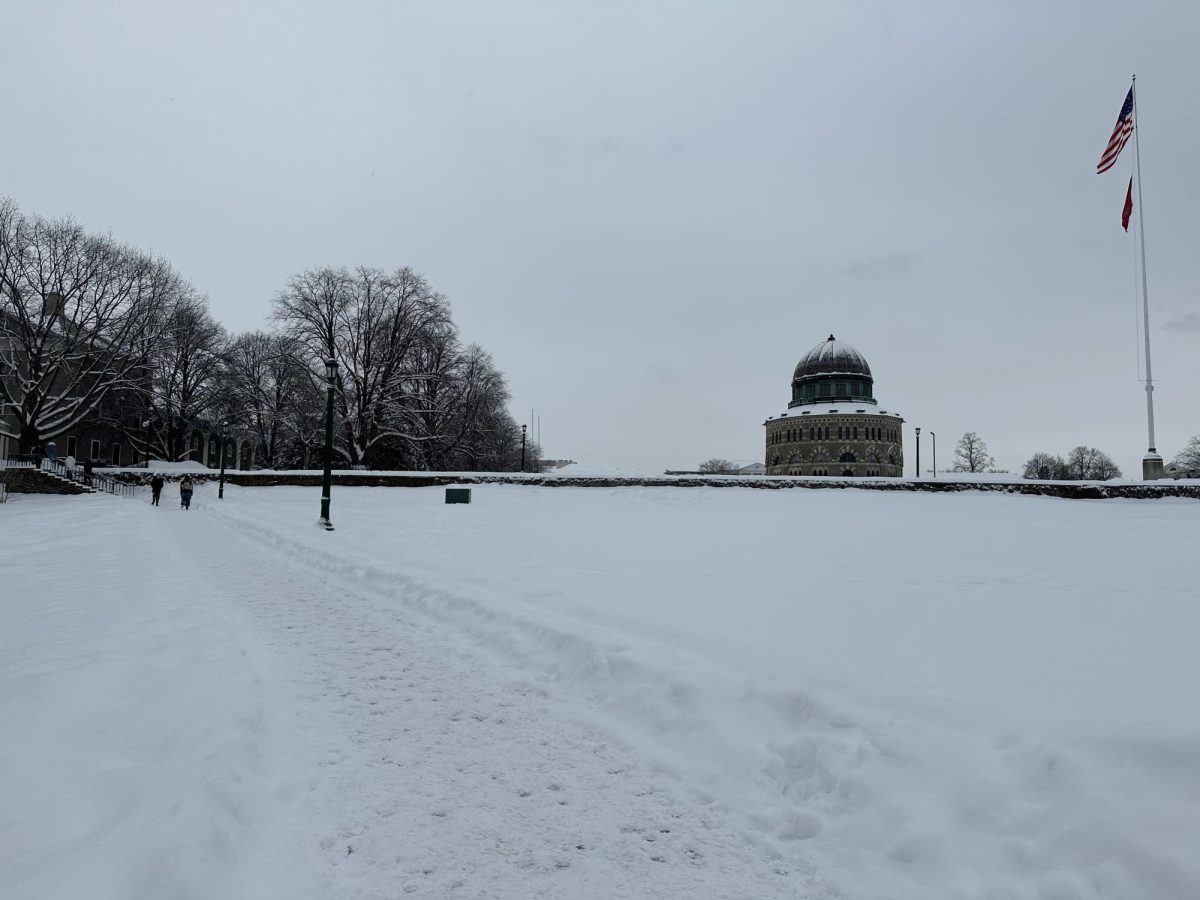
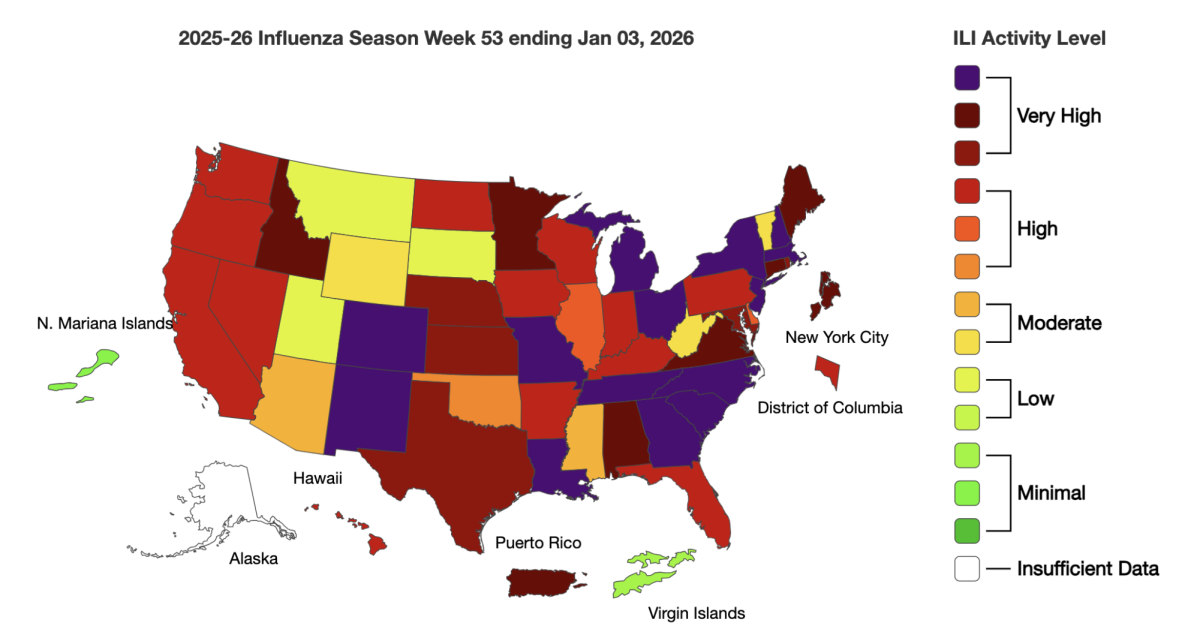
Nearly all 50 states have been at record levels of flu activity. Only Montana and Vermont have reported low levels of activity, while South Dakota and West Virginia have moderate levels of activity. In nearby states including Massachusetts, New Jersey, and New York, levels have been extremely high, leading to health officials urging people to get vaccinated. At Union College, multiple classes were canceled during the first week of winter term due to the rapidly spreading illness on campus.
Vaccinations are still available and strongly encouraged by health officials. Dr. Michael Osterholm, who directs the Center for Infectious Disease Research and Policy at the University of Minnesota, tells CNN, “In the next 48 hours, if you haven’t been vaccinated, get vaccinated. Don’t wait.”
Flu vaccinations have been dropping for both children and adults in the US. For children, the high of 53% over the 2019-20 flu season has become 42% at the same point this season. For adults, levels have decreased from nearly 61 million in 2019-20 to roughly 48 million this year. Although the vaccine did not contain protection specifically for the intense new subclade K strain, it continues to lower the severity of the illness.
Flu season peak activity lasts from December to February, meaning there is still adequate time for flu cases, hospitalizations, and possible deaths to break more records.