
Earlier this week, a poll was posted on the Union College Instagram story with the prompt, “Do you think dining theft is an issue on campus?” 85% of respondents said no, while 15% said yes. Matt Milless, the Assistant Vice President for Student Affairs, thinks differently. Concordiensis spoke to Milless about this issue and how Union Dining works financially.
First, it’s important to note that Union Dining does not operate like a traditional for-profit business. Union pays Bon Appétit a set budget to operate on-campus dining facilities. Dining operations face substantial operating costs, including food purchases, labor, facility maintenance, and supplies. If the dining operations generate a surplus, that money is returned to Union and is invested in the dining program. If operating costs exceed the budget, Union must cover the additional expenses.
When students buy food items on campus from places such as the C-Store, the revenue from those purchases goes toward the cost of producing the items. This production cost includes raw materials for making the item, labor costs for making it, and shipping it to campus. If students steal items, Union Dining does not receive the revenue needed to recoup its production costs.
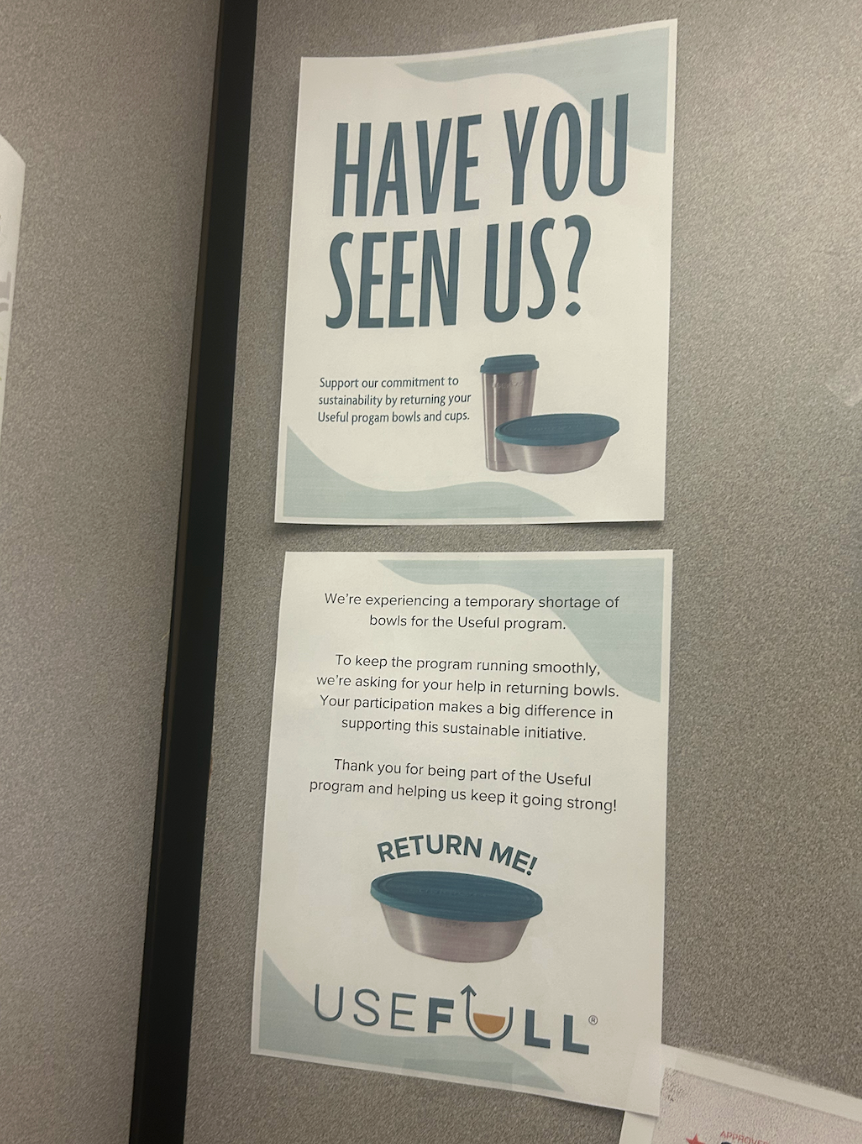
Milless said that the majority of dining-related theft occurs in the C-Store, specifically at corners where dining workers have difficulty seeing students slip items into pockets or backpacks. He also said that salt and pepper shakers and USEFULL bowls frequently go missing. Concordiensis did not receive specific data about dining theft, but Milless said that it has been an ongoing issue for years.
Milless explained that stealing does not financially harm the suppliers; it financially harms Union Dining because they have to pay for the cost from elsewhere in the dining budget. Milless said that higher theft-related costs could mean Union Dining has to cut back on specialty dining offerings, such as takeovers, and events like Run, Ribs & Reggae and the Springfest Barbecue.
Additionally, there are different financial implications if students steal from the Ushi Bar: Si Thu, who makes the sushi by hand and runs the business out of Dutch Hollow, owns his own business outside of campus and derives his revenue from selling individual sushi containers. This means that when students steal sushi, it takes away from his personal income.
A visible example of how theft impacts dining operations is the temporary pause in the USEFULL program. As of May 2026, the program is suspended due to a shortage of bowls. Milless told Concordiensis that he believes students have been taking USEFULL bowls without checking them out, which means Union cannot track their whereabouts or charge late fees. Since the bowls are made of stainless steel, they are expensive and not easy to replace in bulk.
Though students may not think it’s an issue, students stealing from dining locations causes financial issues for Union Dining as well individuals, like Si Thu. These financial issues ultimately impact the student experience and harm the entire student body.